




Hague court orders India to uphold Indus Waters Treaty with Pakistan
Web Desk
|
31 Aug 2026
India cannot unilaterally suspend or terminate the Indus Waters Treaty, the Permanent Court of Arbitration (PCA) ruled on Monday.
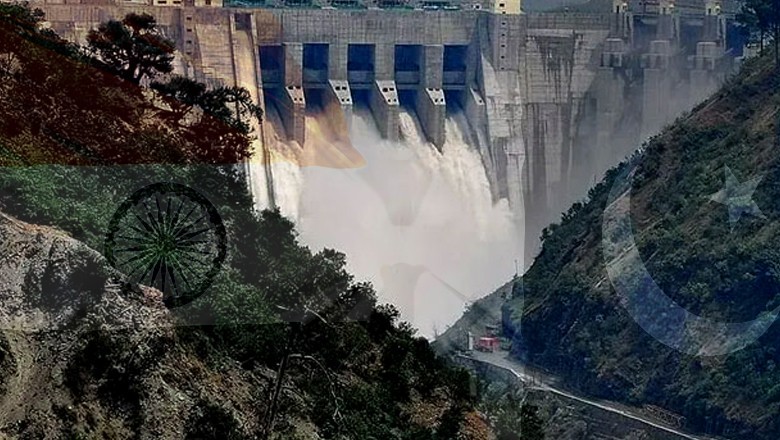
The Hague-based tribunal also ordered India to temporarily stop certain construction work on the Ratle hydropower project in illegally occupied Kashmir, accepting Pakistan’s request for interim protection while a separate dispute over the project remains pending.
In its unanimous decision, the PCA said the treaty could only be changed or ended through an agreement between India and Pakistan. It rejected India’s argument that its actions could be justified under international law.
The tribunal examined several possible grounds for suspending or ending a treaty, including a material breach, a fundamental change in circumstances and the impact of armed conflict. It found that none of the grounds cited by India justified putting the IWT on hold.
The decision means India remains bound by the treaty's provisions governing its use of the western rivers — the Indus, Jhelum and Chenab — including restrictions on the design and operation of its hydropower projects.
The PCA also considered Pakistan’s request for interim measures concerning the Ratle Hydroelectric Plant. It ordered India not to carry out concreting work on parts of the Ratle dam wall and power intake structure above specified levels until 90 days after a separate neutral expert issues a final decision on the project.
India must also provide information on the project's construction schedule for a limited period.
The tribunal, however, rejected two other interim measures sought by Pakistan.
The Ratle and Kishenganga projects are also being examined by a neutral expert appointed through a World Bank mechanism. That expert is expected to issue a final decision in July 2027 on whether the projects comply with the Indus Waters Treaty.
Under the 1960 agreement, India has rights over the eastern rivers — Ravi, Beas and Sutlej — while Pakistan has rights over the western rivers, including the Indus, Jhelum and Chenab, subject to specific provisions allowing India limited use of those waters.
The treaty also provides mechanisms for cooperation, exchange of information and resolution of disputes.









Comments
0 comment