




Punjab Assembly speaker stalls anti-terrorism amendment bill after opposition objections
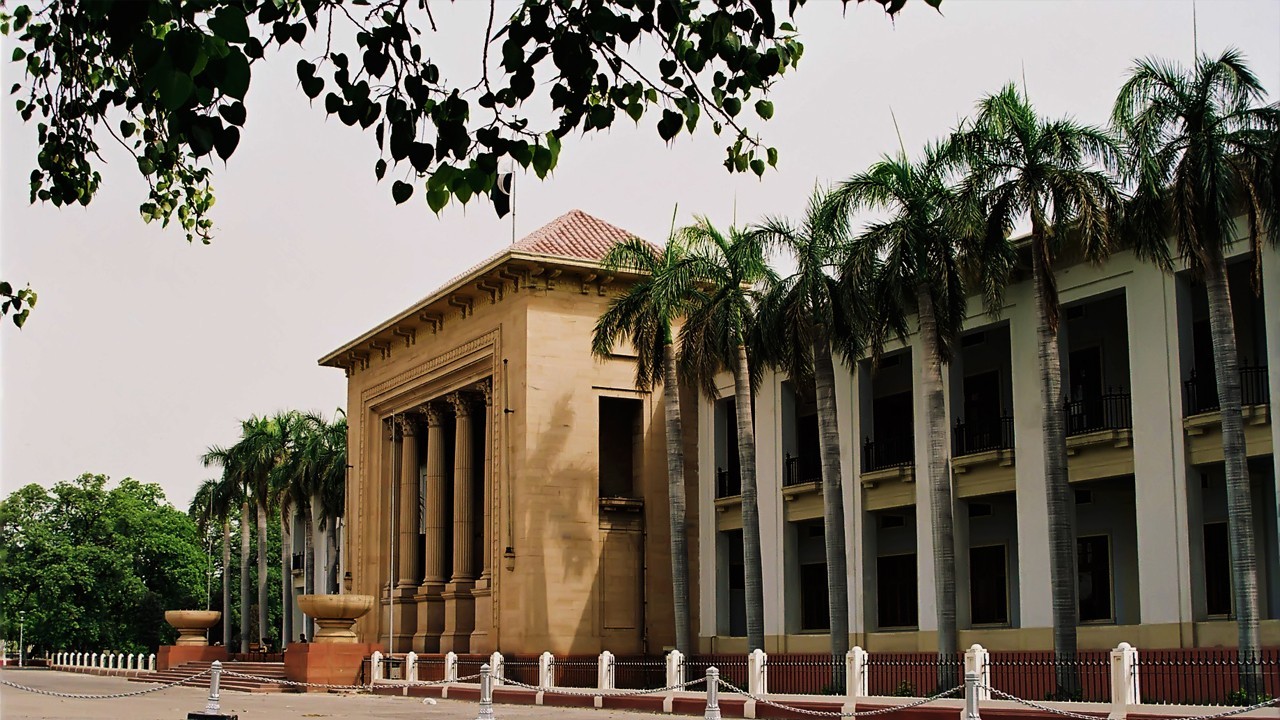
Web desk
|
28 Aug 2026
LAHORE: Punjab Assembly Speaker Malik Muhammad Ahmad Khan postponed further proceedings on the Anti-Terrorism (Punjab Amendment) Bill 2026 after PTI lawmaker Rana Aftab Ahmad Khan raised constitutional and procedural objections, including questions over the provincial assembly’s authority to legislate on the matter.
Aftab described the proposed legislation as unconstitutional and called for terrorism cases to be tried through open and fair proceedings. Law Minister Rana Muhammad Iqbal, however, said the bill had already been thoroughly examined by the relevant standing committee and that the opposition should have presented its concerns during that process.
The proposed bill seeks to introduce a new mechanism called a “special security case” through an amendment to the Anti-Terrorism Act, 1997.
Under the proposal, an authorised BS-20 or higher-ranking officer, whose identity would remain confidential, could declare an individual case or a category of cases eligible for special security arrangements.
The chief justice of the Lahore High Court would then assign the matter to an Anti-Terrorism Court judge. The identities of judges, prosecutors, defence lawyers, police officials, witnesses and other participants could also be kept secret.
The proposed system would permit proceedings to take place at secure locations or through video links, including from prisons. Critics, however, argue that the arrangement could go beyond witness protection and effectively create anonymous trials.
Rana Aftab’s legal note warns that concealing a judge’s identity could make it difficult for an accused person to challenge the composition of the court, request a judge’s recusal or properly assess judicial independence. Concerns have also been raised that sealed records could weaken the accused’s right to appeal and make effective review by the high court more difficult.
Another controversial aspect of the bill is the expanded role of the designated executive authority, which would be involved in assigning prosecutors from a panel provided by the prosecutor general.
The authority could also apply the special-security framework to an entire “class of cases” rather than individual cases. Critics say this could weaken the principle of open justice and create opportunities for misuse, particularly because the bill does not clearly define “extraordinary protection”, establish a clear challenge mechanism or provide for periodic review and a sunset clause.
Opponents also argue that existing laws already contain provisions for protecting people involved in terrorism proceedings. Section 21 of the Anti-Terrorism Act allows courts to conduct proceedings in camera and restrict disclosure of the identities of judges, prosecutors, lawyers and witnesses, while the Punjab Witness Protection Act 2018 provides additional safeguards.
They contend that the proposed legislation could therefore duplicate existing protections while raising concerns about the constitutional separation between judicial and executive powers.
The central issue surrounding the bill is whether enhanced security for judges, prosecutors, investigators and witnesses can be provided without undermining fair-trial rights, judicial independence and the right to appeal.
Critics have suggested keeping judges’ identities known to the parties and appellate courts, allowing witness anonymity only through judicial orders, and maintaining high-court access to trial records.
They have also recommended limiting the executive authority to security arrangements rather than judicial functions and introducing judicial review and a sunset clause. The debate is therefore expected to focus on balancing the security needs of terrorism cases with Pakistan’s constitutional guarantees of justice and due process.






Comments
0 comment