




Building collapses expose weak urban oversight in Lahore
Web desk
|
2 Aug 2026
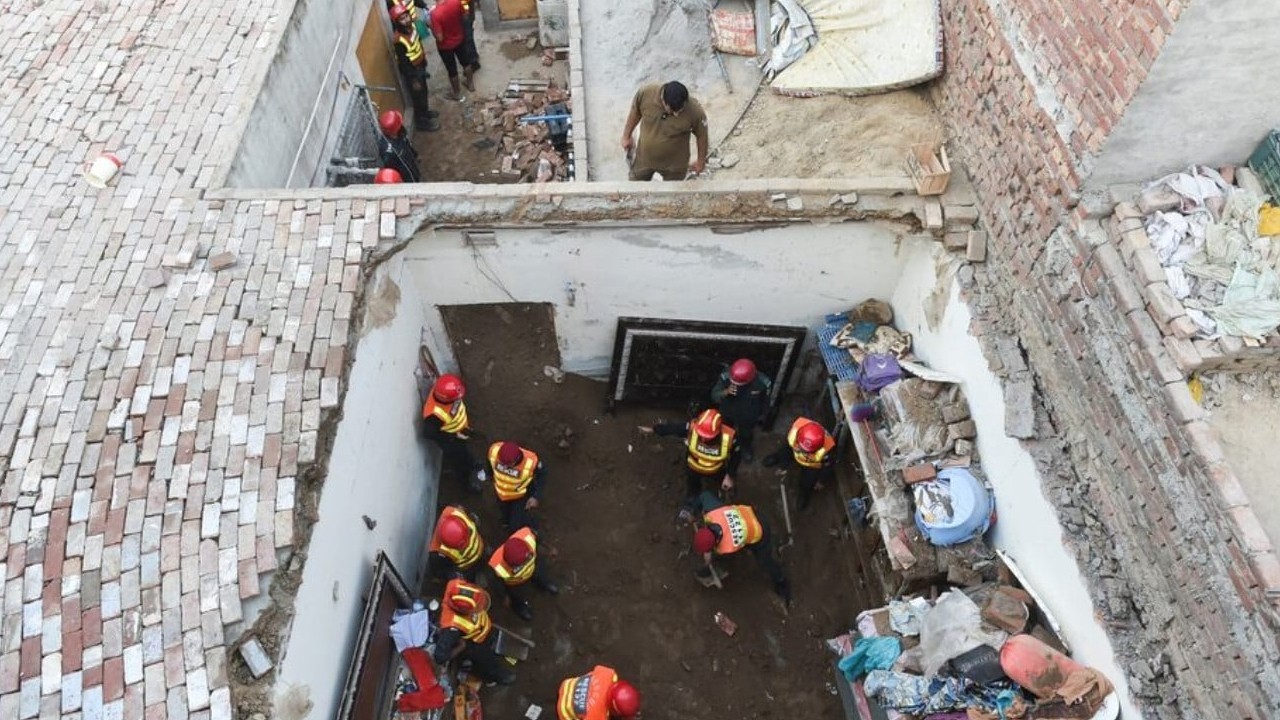
LAHORE: The collapse of a residential building in Kahna has once again highlighted Lahore’s persistent challenges of illegal construction, inadequate enforcement, and weak oversight of building regulations, prompting renewed scrutiny of government agencies responsible for monitoring development.
After the incident, officials stated that the building had been constructed without an approved layout plan and in violation of existing building laws. However, urban planning experts questioned why the relevant authorities failed to intervene during construction if the violations were already apparent.
According to Rescue 1122, Lahore recorded 254 building collapse incidents between July 2023 and July 13, 2026. Of these, 201 involved residential structures, resulting in 586 injuries and 93 fatalities. The figures have intensified concerns over the effectiveness of the city's building inspection and regulatory mechanisms.
Responsibility for approving construction projects in Lahore is shared among multiple agencies. The Lahore Development Authority (LDA) oversees areas under its jurisdiction, cantonment boards regulate construction within cantonment limits, and the Metropolitan Corporation grants approvals in other urban zones. Experts emphasized that obtaining an approved building plan is a legal prerequisite for construction, while certain projects also require additional no-objection certificates (NOCs).
Urban planning specialist Ghafer Shahzad said government institutions are responsible not only for issuing approvals but also for supervising construction throughout the building process. He explained that officials have the legal authority to inspect sites, issue notices, halt unlawful construction, impose penalties, and demolish unauthorized structures. If illegal construction continues unchecked until a disaster occurs, he argued, it reflects a serious failure of the monitoring system.
Construction engineer Hafiz Ahmed noted that since building projects usually take months to complete, authorities should assess the performance of inspection staff who failed to detect violations rather than simply declaring a collapsed building illegal after the fact.
Experts also pointed out that many homes in older neighbourhoods such as Kahna, Shahdara, Mozang, Ichhra, Baghbanpura, Sabzazar, and Daroghawala were built before current building regulations were introduced. Numerous properties lack approved building plans, while many have had additional floors added over time without official permission.
Shahzad said it would be impractical to classify all such structures as illegal. Instead, he recommended conducting a phased citywide survey, introducing a policy to regularise older buildings, and establishing an independent building control authority.
He added that maintaining digital records of all buildings, carrying out regular inspections, and identifying unsafe structures in time are essential steps for improving urban safety.
Experts further observed that while the Walled City of Lahore Authority has successfully completed a comprehensive digital survey of historic buildings within the old city, no comparable database exists for the rest of Lahore, despite its population of nearly 15 million. They believe technologies such as GIS mapping, online approval systems, digital property registration, and stronger field inspections could help authorities detect illegal and hazardous buildings before they lead to tragedies.
The Deputy Commissioner of Lahore stated that operations against dangerous and illegally constructed buildings are continuing across the city. Several structures that violated approved building plans have already been partially or completely demolished. The official reiterated that strict enforcement of construction laws will remain a priority to safeguard public lives and property.
Experts concluded that preventing future disasters requires more than assigning blame after accidents. They stressed that lasting improvements depend on comprehensive reforms, including transparent approval procedures, effective monitoring, digital building surveys, regularisation of older settlements, and consistent enforcement of construction regulations.




Comments
0 comment