




Explained: How OPEC+ influences oil supply and prices
Webdesk
|
29 Apr 2026
The United Arab Emirates has announced it will withdraw from the OPEC+ from May 1, becoming the largest producer in recent years to leave the group.
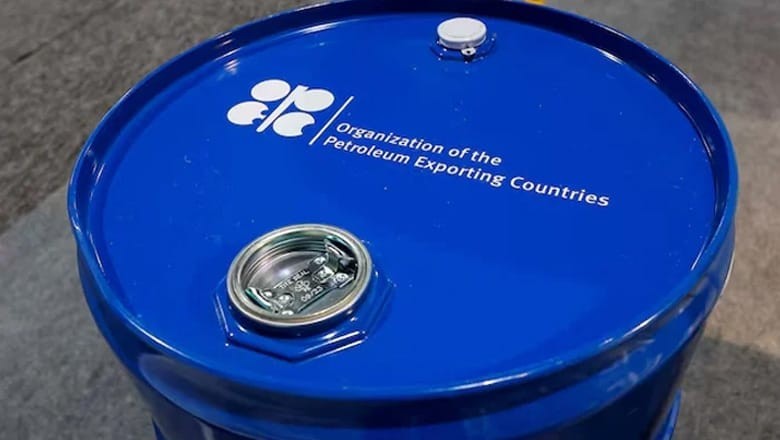
OPEC+, which includes the Organisation of the Petroleum Exporting Countries and allies such as Russia, was formed in 2016 to coordinate production and stabilise oil markets. The alliance accounts for nearly half of global oil output.
Founded in 1960, OPEC currently comprises 12 members: Saudi Arabia, United Arab Emirates, Kuwait, Iraq, Iran, Algeria, Libya, Nigeria, Congo, Equatorial Guinea, Gabon and Venezuela. The UAE joined the organisation in 1967.
The UAE’s exit follows similar moves by Qatar (2019), Ecuador (2020) and Angola (2024), largely over production disagreements.
OPEC’s market share has fluctuated over decades, declining with the rise of producers such as the United States, before partially recovering after the formation of OPEC+.
Recent disruptions around the Strait of Hormuz have also affected output and exports from Gulf producers.







Comments
0 comment