




2 hours ago
‘Bachay Kab?’: How social pressure around motherhood is raising difficult questions in Pakistan
Kosar Parveen
|
30 Aug 2026
For many women in Pakistan, marriage is often followed by another socially expected milestone: motherhood.
The questions can begin soon after the wedding.
“Good news kab suna rahi hain?”
“Shaadi ko kitna arsa ho gaya hai?”
“Bachay kyun nahi ho rahe?”
Often presented as casual conversation or concern, such questions can become a source of pressure when repeatedly directed at couples who may be dealing with infertility, pregnancy loss, medical concerns or personal decisions about when to have children.
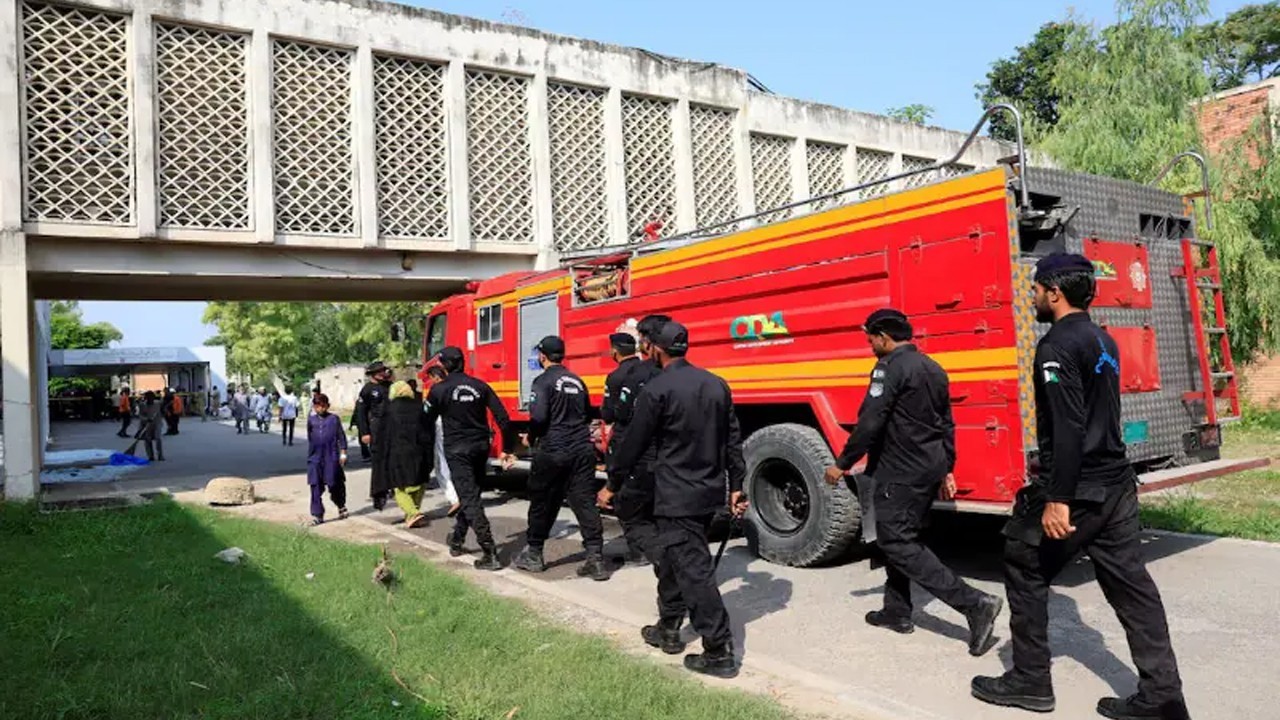
A recently reported incident in Nazimabad, Karachi, has brought renewed attention to the issue and to the expectations that can surround pregnancy and motherhood after marriage.
According to police reports, a woman had previously experienced a miscarriage after marriage. Investigators said that she later presented herself as pregnant amid family and social pressure. Police subsequently reported that she was not pregnant and that a fabricated ultrasound report had allegedly been presented.
While the circumstances of the case are specific to the individuals involved, the incident has prompted broader questions about the social environment surrounding women and men.
In Pakistani society, marriage and motherhood are often closely linked. For some families, the expectation of having children can begin almost immediately after a couple gets married.
The passage of time can bring increased scrutiny, with relatives and acquaintances asking about pregnancy, comparing couples with other families or speculating about possible reasons for not having children.
For women experiencing infertility or miscarriage, these questions can be particularly difficult.
Pregnancy loss, for example, can already be an emotionally challenging experience. Repeated questions about when a couple will have children can add another layer of distress, particularly when a private experience becomes the subject of family discussion.
The phrase “good news” is frequently used to refer to pregnancy, but the assumption behind it can overlook the complexity of reproductive experiences.
Not every couple is trying to conceive immediately after marriage. Some may be making a conscious decision to delay parenthood, while others may be facing medical or personal circumstances that are not visible to those around them.
Yet questions about pregnancy can sometimes create the impression that couples are expected to explain themselves.
For women in particular, the pressure can be intense because motherhood is often treated not simply as a personal decision but as an expected part of their identity after marriage.
The Nazimabad case raises a difficult question: what happens when social expectations surrounding motherhood become so intense that a person feels unable to acknowledge a pregnancy loss or the absence of a pregnancy?
It also raises questions about how families respond to infertility and miscarriage.
Instead of treating reproductive health as a private matter, families can sometimes turn it into a topic of discussion, speculation and comparison.
The consequences of such pressure are not always visible.
A woman may be dealing with a miscarriage that others know nothing about. A couple may be undergoing fertility treatment. They may have decided to wait before having children. Or they may simply not want to discuss their reproductive choices.
None of these circumstances necessarily require an explanation from relatives or acquaintances.
The debate surrounding motherhood is not about discouraging families from celebrating pregnancies or welcoming children. It is about recognising the boundary between genuine concern and intrusive questioning.
Instead of asking newly married couples when they plan to have children, a more considerate approach may simply be to give them space.
Instead of treating miscarriage as something that requires an explanation, it can be met with sensitivity and support.
And instead of measuring a woman’s life according to how quickly she becomes a mother, society can recognise that fertility, pregnancy and parenthood are deeply personal experiences.
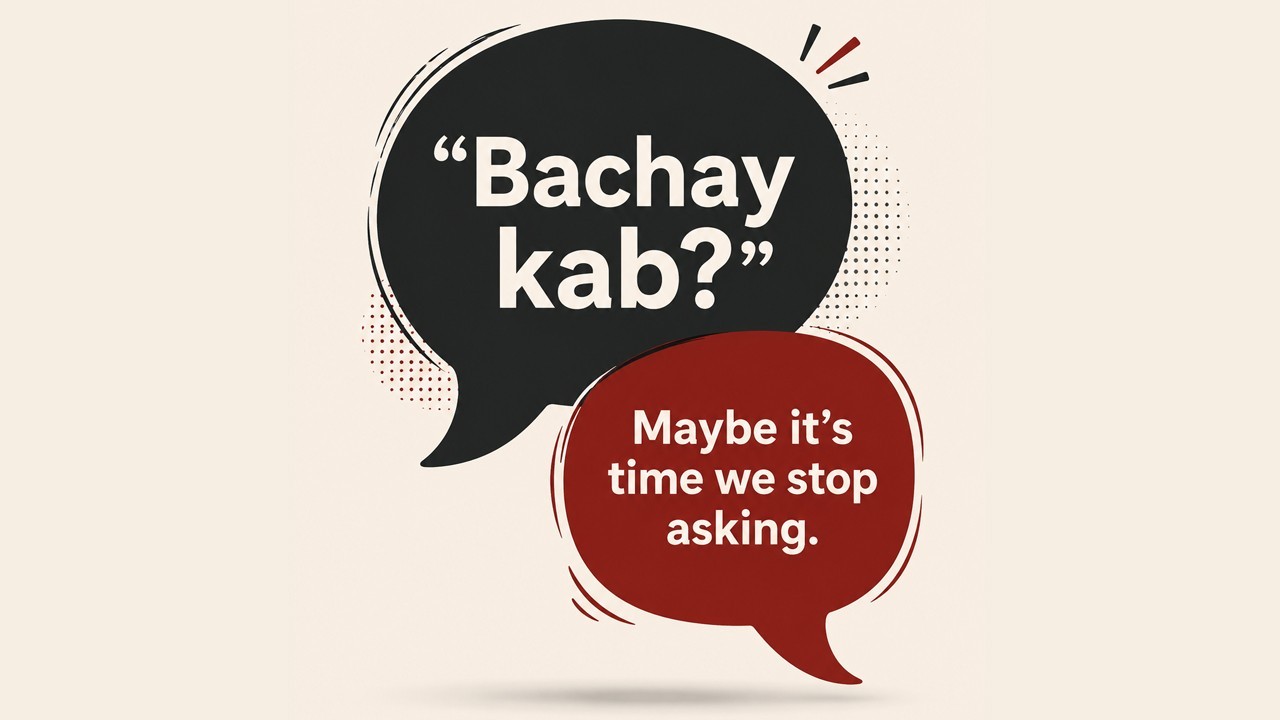
The question may be simple: “Bachay kab?”
But for someone facing an experience that others cannot see, the answer may be far more complicated.
Perhaps the more appropriate question is not when a woman will become a mother, but whether she is being given the privacy, dignity and support to make decisions about her own life.






Comments
0 comment