




2025 proved a year of crises for India: Financial Times
Web Desk
|
1 Jan 2026
The Financial Times annual review, 2025, proved to be a year marked by crises, setbacks and sustained pressure for India, rather than stability and strong progress.
The report states that persistent challenges on both domestic and external fronts kept the country under considerable strain throughout the year.
The Financial Times notes that military tensions between Pakistan and India, trade disputes with the United States, a deadly aircraft accident, the weakening of the Indian rupee and broader economic uncertainty further complicated India’s situation during 2025.
The report highlights that, despite claims of strategic autonomy, India faced intense pressure in maintaining a balance in its relations with the United States, China and Russia.
Trade negotiations between Washington and New Delhi were repeatedly delayed, while the imposition of US tariffs placed additional stress on the Indian economy.
According to the Financial Times, the limited scope of GST reforms slowed economic growth, while the Indian rupee remained under persistent pressure, continuing to depreciate against the US dollar throughout 2025.
Analysts cited in the report argue that rising tensions with Pakistan did not translate into military advantage for India; instead, they coincided with a shift in US policy.
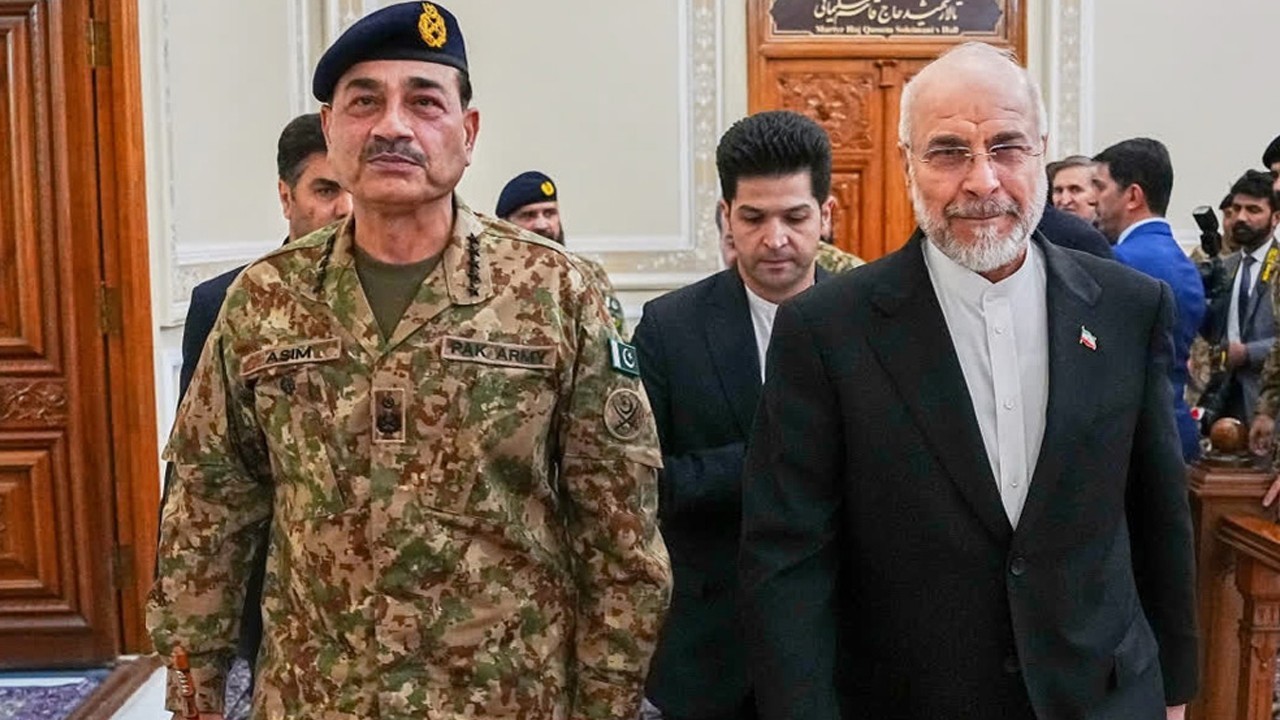
President Donald Trump’s move to claim credit for a ceasefire and the growing engagement between Washington and Pakistan’s military leadership are being viewed as diplomatic setbacks for India.
Experts further suggest that India’s economic and diplomatic space in the United States is gradually shrinking, reflecting a weakening global position.
The depreciation of the rupee and rising oil prices are expected to exacerbate India’s economic challenges.
The report concludes that rather than resolving its problems in 2025, India largely endured a series of crises.
Looking ahead, 2026 is shaping up to be an even greater challenge, driven by internal vulnerabilities, regional tensions and mounting global pressure.








Comments
0 comment