




40 years on, Chernobyl disaster remains a stark warning on nuclear safety
Web Desk
|
26 Apr 2026
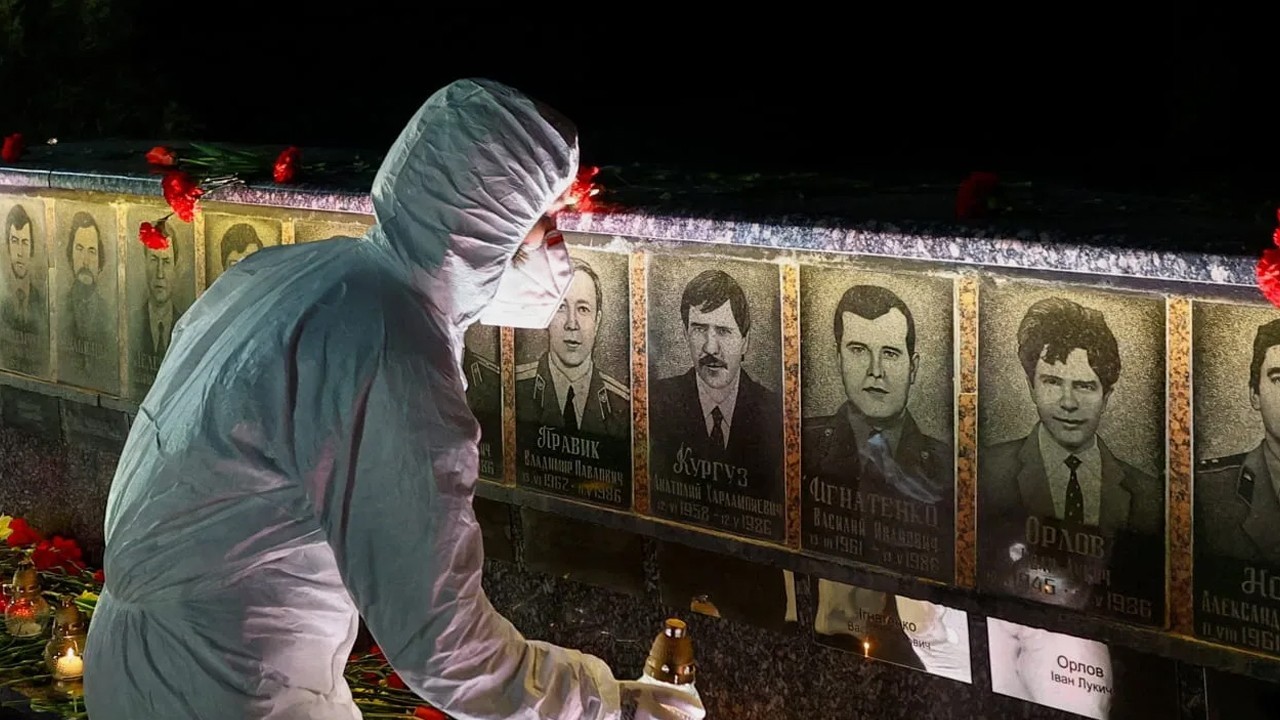
Four decades after the disaster at the Chernobyl Nuclear Power Plant, the incident remains a stark warning about the risks linked to nuclear energy and the need for strict safety measures.
The plant lies near the abandoned city of Pripyat, roughly 110 kilometres north of Kyiv, which was then part of the Soviet Union. Known as Chornobyl in Ukrainian, the site is widely regarded as the location of the worst nuclear disaster in history.
The accident occurred on April 26, 1986, during a test at reactor number four. A sudden spike in power led to a massive explosion that tore open the reactor core, releasing radioactive material into the air and across surrounding regions. In response, Soviet authorities established a 30-kilometre exclusion zone around the plant.
In the months following the explosion, 31 people lost their lives. According to figures cited by the United Nations, around 8.4 million people in Belarus, Russia and Ukraine were exposed to radiation. The contamination spread across an estimated 155,000 square kilometres of land in those countries.
Studies later found that radioactive fallout travelled far beyond the immediate region, reaching as distant as North America and parts of Asia, including Japan.
Data from the World Health Organization shows that about 600,000 people — including emergency workers and those involved in clean-up efforts — were exposed to high levels of radiation in the early stages of the disaster.
Since the breakup of the Soviet Union, management of the affected areas has changed. Ukraine’s State Emergency Service now oversees the exclusion zone, while Belarus administers its impacted territory through the Polesie State Radioecological Reserve.
The power plant itself is no longer operational and is undergoing decommissioning. Its last working reactor was shut down on December 15, 2000, marking the end of electricity production at the site.









Comments
0 comment