




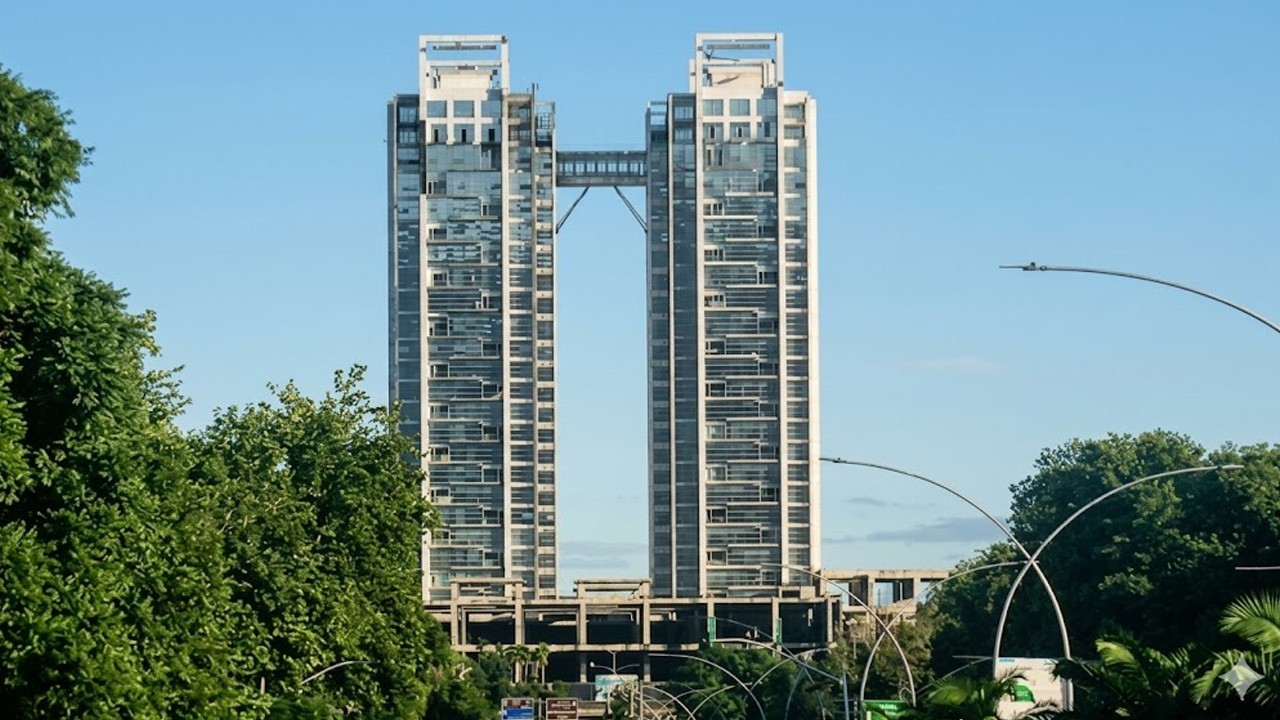
Buyers of luxury One Constitution Avenue apartments in Islamabad have no ownership rights: IHC
Web Desk
|
4 May 2026
The Islamabad High Court on Monday issued a detailed verdict in a case pertaining to the One Constitution Avenue project in Islamabad, upholding the cancellation of the multi-billion-rupee project's lease.
In its ruling, the court said that buyers of luxury apartments in the development do not hold ownership rights. Instead, it noted, they may seek legal remedies against the builder to recover their investments.
The detailed judgment was authored by IHC Chief Justice Sardar Muhammad Sarfraz Dogar. The bench dismissed a series of petitions filed by M/s BNP (Pvt) Limited — the project’s developer — along with investors and other stakeholders.
The petitions had challenged the decision of the Capital Development Authority (CDA) to terminate the lease.
The court ruled that the CDA’s action was lawful and aligned with the framework previously set out by the Supreme Court of Pakistan.
The case stems from a 2005 lease agreement between the CDA and BNP for the construction of a five-star hotel. However, the developer later converted the project into a residential and commercial scheme — One Constitution Avenue — located in a prime area of Islamabad.
The lease had earlier been terminated in 2016 but was restored by the Supreme Court in January 2019, subject to strict financial conditions. These included payments amounting to Rs17.5 billion over eight years through structured instalments supported by bank guarantees.
The court had also stipulated that any termination could only occur in case of default after a 30-day notice. In its latest judgment, the IHC observed that the Supreme Court’s ruling was binding and provided a complete framework governing the rights and obligations of the parties. It stressed that strict compliance with those directions was mandatory, warning that any deviation would carry legal consequences.
After reviewing the record, the court found that BNP had failed to meet its financial obligations under the revised terms. It noted delays in the payment of instalments and a failure to provide bank guarantees in a form acceptable to the CDA.









Comments
0 comment