




SC wants govt to impose a complete ban on sale of acid to private individuals
Web Desk
|
8 Jun 2026
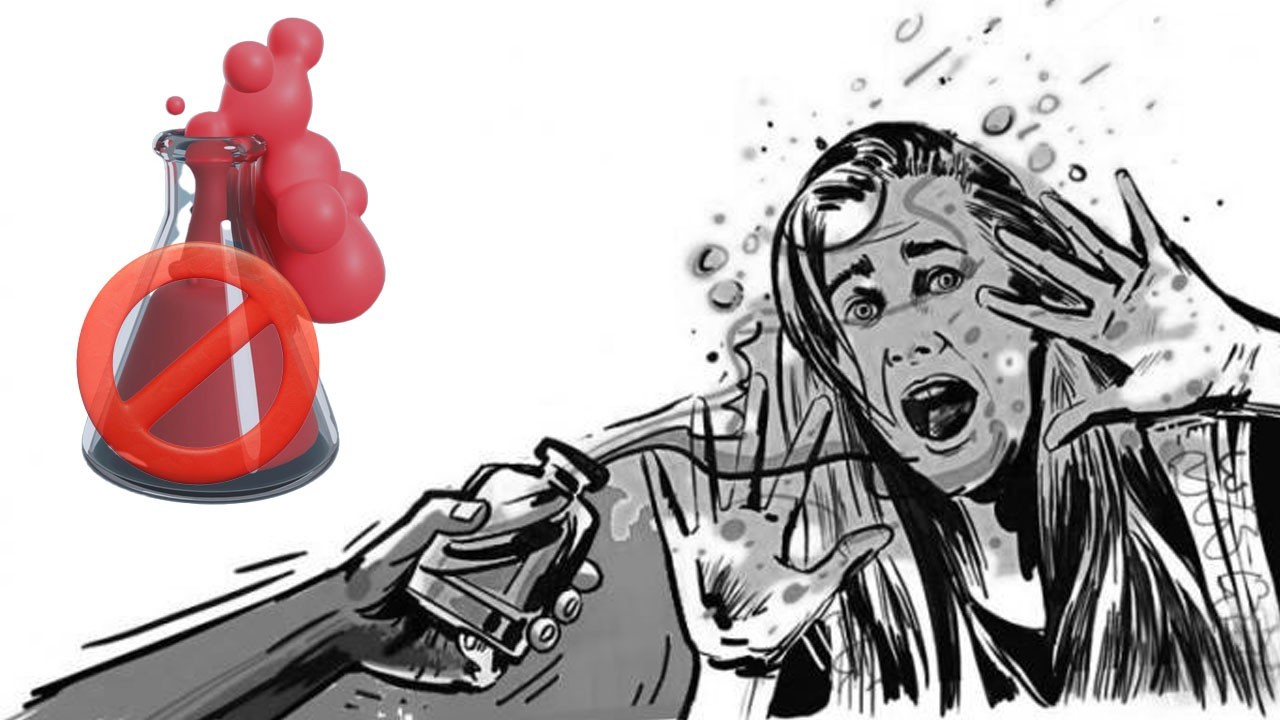
The Supreme Court on Monday ruled that acid attacks, also known as vitriolage, are more severe than homicide, describing them as crimes that inflict lifelong suffering on victims.
The verdict came in a case involving Abdul Manan, who was convicted for throwing acid on a young woman in Faisalabad. He had challenged a 2022 Lahore High Court decision that upheld his life sentence and a fine of Rs1 million awarded by an Anti-Terrorism Court.
A three-member bench, headed by Justice Muhammad Hashim Khan Kakar and including Justice Salahuddin Panhwar and Justice Ishtiaq Ibrahim, upheld the earlier judgment.
“Unlike death, which consumes its victim only once, the victim of an acid assault is relegated to a living death, where they are compelled to endure the agony of their trauma and the degradation of their physical self on a daily basis,” observed Justice Kakar.
The court also recommended that both federal and provincial governments consider including acid attack survivors under disability quotas. It further called for the creation of a National Acid Survivors’ Rehabilitation Fund.
According to the judgment, such a fund should cover reconstructive surgeries, long-term medical treatment, and rehabilitation services including psychological care and counselling.
The court also suggested a monthly financial support scheme for survivors who are unable to earn a livelihood due to their injuries.
Justice Kakar observed that acid violence is often linked to issues such as rejected marriage proposals, harassment, or domestic disputes, and is used to permanently destroy a victim’s identity.
He said stronger criminal laws and tighter control over the sale of corrosive substances are necessary to prevent such crimes. The judgment noted that while stricter laws were introduced in 2011, incidents continue because access to acid remains easy.
The court stressed that punishment alone is not enough and that prevention must also focus on regulating dangerous chemicals more strictly.










Comments
0 comment