




Shortage of ventilators posing risks to saving lives in hospitals across Islamabad
Web desk
|
26 Jul 2026
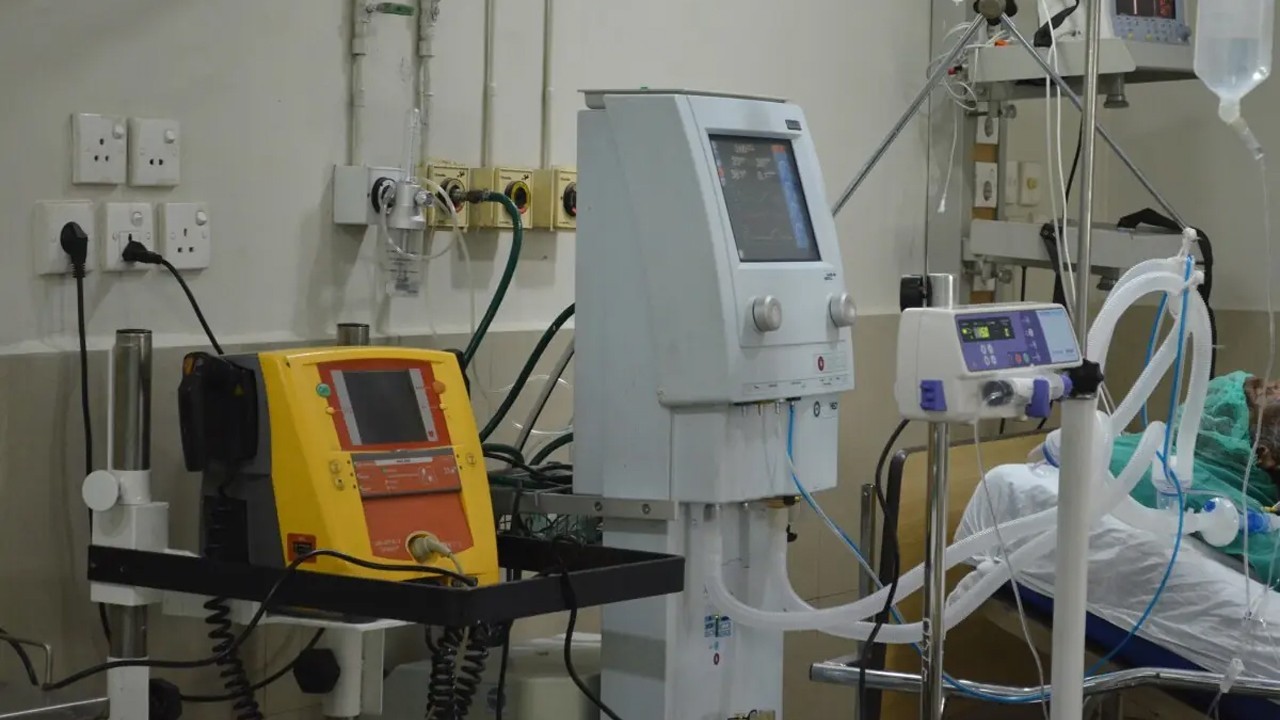
ISLAMABAD: While ventilators are considered the last resort to keep the patient alive and continue efforts for his recovery, the shortage of ventilators has emerged as a major hindrance in saving lives across the federal capital.
A ventilator is a medical device which helps a patient breathe by pumping air in and sucking it out of their lungs. It also monitors most of the body functions and keeps the patient alive. It is mostly used in intensive care units (ICUs).
Officials of both Pakistan Institute of Medical Sciences (Pims) and Polyclinic Hospital reported that nearly all of the ventilators at their medical facilities were occupied most of the time.
Pims Executive Director Dr Rana Imran Sikander said that along with financial constraints, there were “so many other factors” behind the ventilator shortage.
Pakistan Institute of Medical Sciences (Pims) faces a persistent shortage of ventilators despite having more than 90 units distributed across its intensive care units. According to hospital officials, nearly all ventilators remain occupied because critically ill patients often require long-term support. The hospital also accepts referrals from across the country and follows a policy of not refusing emergency patients, increasing pressure on its limited critical care resources. Officials noted that ventilators are expensive to purchase and operate, with each machine costing millions of rupees and requiring significant daily operating expenses, while treatment in public hospitals remains free for emergency patients.
Hospital administrators also emphasized that the shortage extends beyond equipment to trained personnel capable of operating ventilators. They explained that the growing population of Islamabad has substantially increased demand for healthcare services, while infrastructure and staffing have struggled to keep pace.
A new hospital block with additional ventilators is under development, but officials stressed that preventive healthcare and healthier lifestyles are equally important to reduce the burden on hospitals.
Polyclinic Hospital reported similar challenges, with all of its ventilators regularly in use and a severe shortage of specialized staff. Hospital representatives said that many patients are transferred from private hospitals because the high cost of ventilator care in the private sector is beyond the reach of most families.
As a result, public hospitals maintain long waiting lists for critical care services, and routine maintenance of ventilators is sometimes delayed to avoid disrupting treatment for patients who depend on them.
The shortage has had serious consequences for patient care. Families have reported cases in which critically ill patients were unable to receive ventilator support because no machines were available.
Former science and technology minister Fawad Chaudhry argued that Pakistan should revive efforts to locally manufacture ventilators through partnerships with international companies, noting that the country previously explored domestic production during the COVID-19 pandemic to reduce dependence on imported equipment.










Comments
0 comment