




From revolutionary cleric to 36-year Supreme Leader, the legacy of Ayatollah Ali Khamenei
Webdesk
|
1 Mar 2026
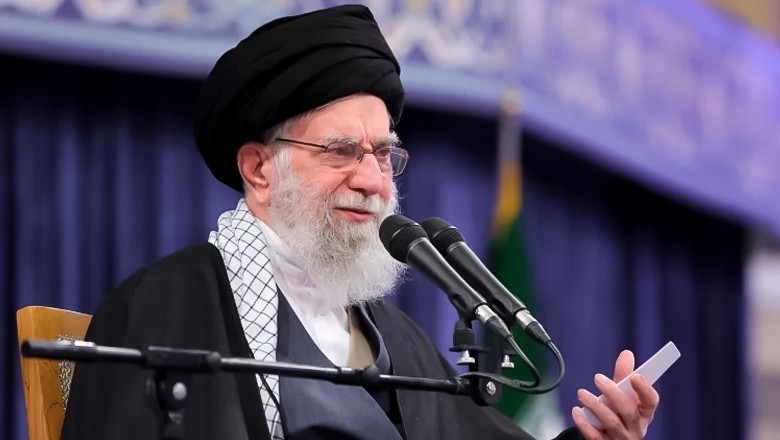
Ayatollah Ali Khamenei, Iran’s 36-year Supreme Leader, has died at age 86, ending his rule that shaped the Iran’s domestic and foreign policies.
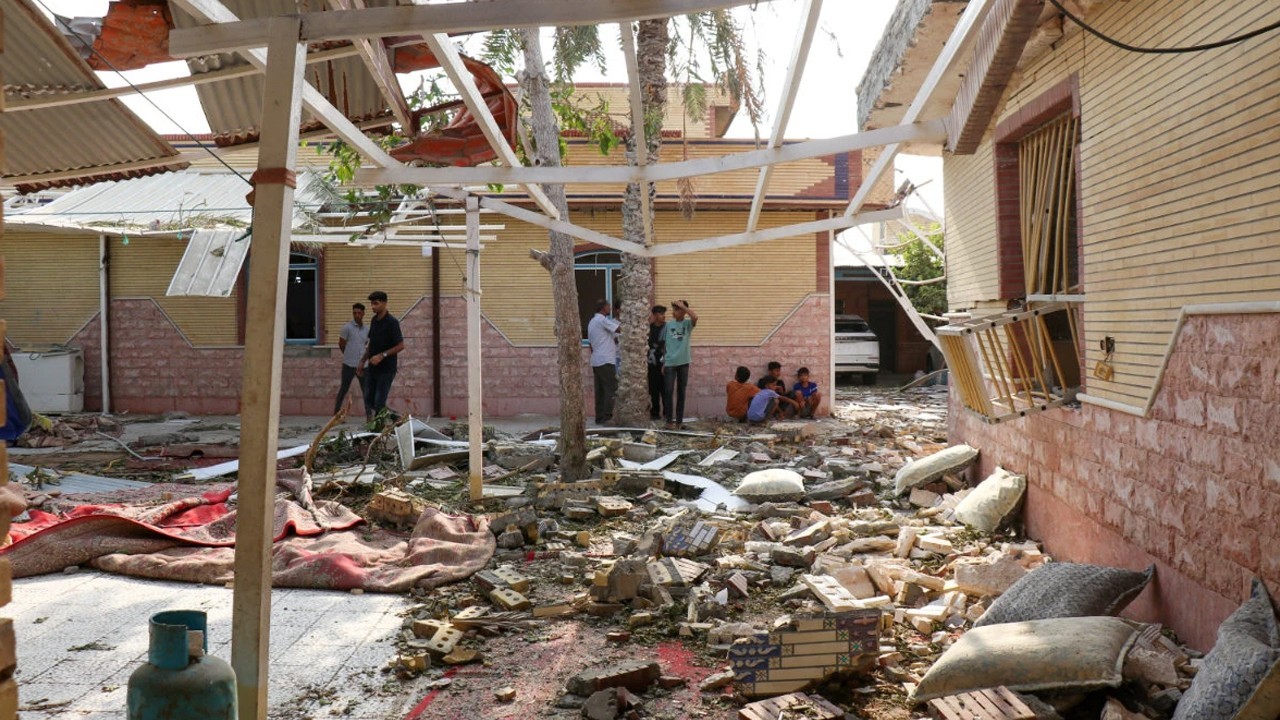
Iranian state media confirmed Khamenei’s death following a major joint air operation by the US and Israel, which reportedly struck his Tehran compound. U.S. and Israeli officials claimed that his body was recovered after the attack.
Khamenei’s life: 1939-2026
Born in 1939 in Mashhad, a key religious city, Khamenei entered Islamic studies in the holy city of Qom and became involved in the movement against the Shah’s regime ahead of the 1979 Iranian Revolution.
After the revolution, he rose through the clerical ranks and held important positions, including two terms as President of Iran from 1981 to 1989.
In 1989, following the death of Ayatollah Ruhollah Khomeini, Khamenei was appointed Supreme Leader, becoming the country’s highest authority and taking control over the military, judiciary, media, and foreign policy.
Over more than three decades, his leadership was marked by staunch opposition to the US and Israel, fierce resistance to Western influence, and a push for Iran’s nuclear and regional ambitions.
He strengthened the Islamic Revolutionary Guard Corps as a central pillar of power and backed forces across the Middle East.
In Iran, his rule saw repeated crackdowns on dissent, including large-scale protests such as those sparked by the 2022 death of Mahsa Amini, as well as ongoing economic frustrations and political repression.
With Khamenei’s passing, Iran now faces an uncertain transition period as its clerical establishment and powerful security institutions navigate succession and the next chapter of the Islamic Republic.








Comments
0 comment