




1 hour ago
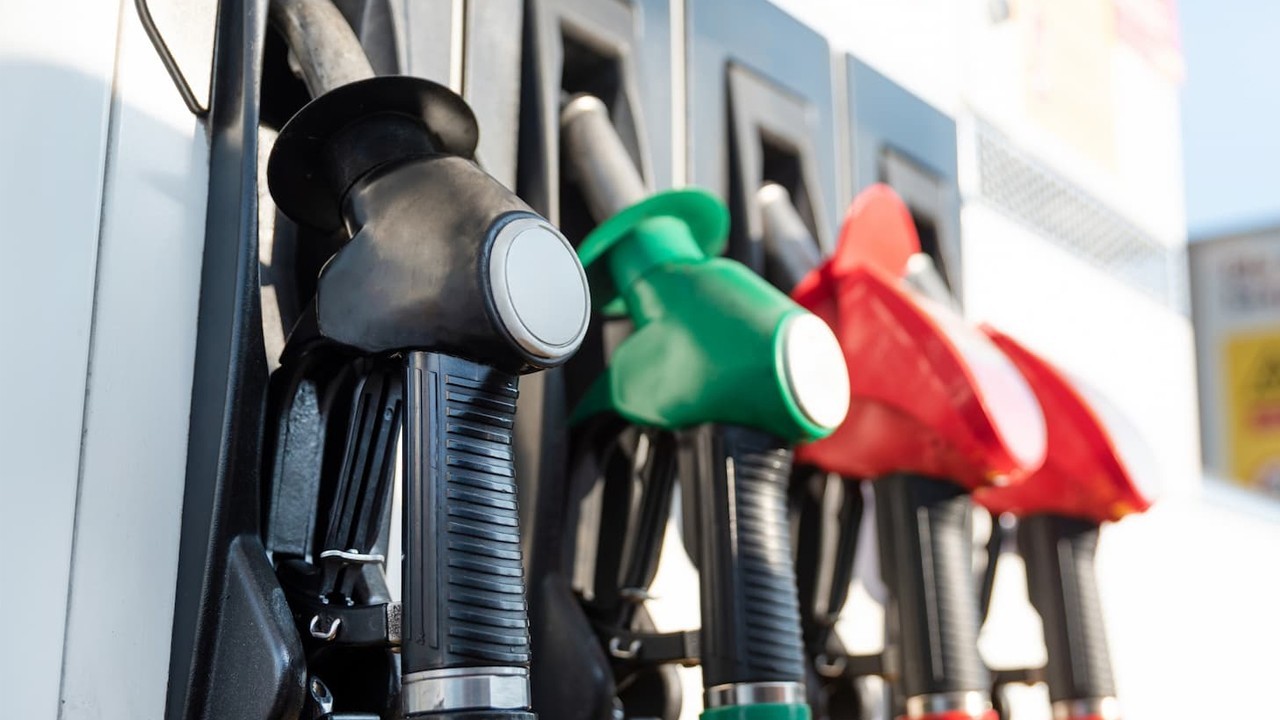
Govt increases petrol price by 77 paisas, decreases HSD by Rs1.03 per litre for Sept 1
Web desk
|
1 Sep 2026
The government on Monday hiked the price of petrol by 77 paisas per litre, while reducing the price of high-speed diesel (HSD) by Rs1.03 per litre, respectively, for September 1.
As per the notification released by the Petroleum Division, the price of petrol was fixed at Rs342.79 per litre, while HSD would be available at Rs370.41 per litre for September 1.
This hike is being made after the reduction in prices of petrol and HSD by 58 paisas and 17 paisas per litre, respectively, which became applicable from August 29 to August 31.
Earlier last month, the government introduced a new pricing system according to which the petroleum product prices would be revised and notified on daily basis as tensions flared up between the United States and Iran amid fears of fuel supply shortages in the global oil market.
According to Pakistan Economic Survey 2024-25, petroleum products form the largest import category of the country, which makes its economy very susceptible to the volatility in global crude oil prices.
The country's refineries satisfy only some of its demands and the rest is met through imports of crude oil and petroleum products. Hence, every hike in international oil prices increases the import bill of Pakistan and puts pressure on the foreign exchange reserves as well as causes inflation in the country.
In the past, the Pakistani government had considerable control over the petroleum pricing due to subsidies and other administrative actions. Though these policies protected consumers for a time being, they incurred heavy expenses to the state treasury.
In times of rising global oil prices, successive governments delayed passing of price hikes to the consumers, putting huge burden on oil marketing companies, refineries and national budget. Heavy fuel subsidies resulted in higher fiscal deficits, increased borrowing and macroeconomic instability.
The developments in the international scene continue to present risks to Pakistan. The international oil prices are affected by decisions taken by OPEC+, fighting among oil producing countries in Middle East, sanctions on oil producing countries and disruptions in key shipping lines including Strait of Hormuz and Red Sea.
Disruptions in the supply chains may immediately result in hikes in crude oil prices and freight charges. Since Pakistan relies heavily on imports for meeting its petroleum demands, any changes in international prices affect domestic prices as well.
Oil prices surged by more than 2% on Monday as military action was resumed between







Comments
0 comment