




From struggle to statecraft: Jinnah’s role after independence
Webdesk
|
25 Dec 2025
Pakistan’s civil and military leadership on Thursday paid tribute to Quaid-i-Azam Mohammad Ali Jinnah’s vision of a sovereign, democratic and inclusive state as the country marked his 149th birth anniversary.
According to state broadcaster Radio Pakistan, the day commenced with a 31-gun salute in Islamabad, while 21-gun salutes were fired in provincial capitals.
Special prayers were offered in mosques across the country after Fajr, seeking peace, prosperity and progress for Pakistan and paying homage to the Founder of the nation, the report said.
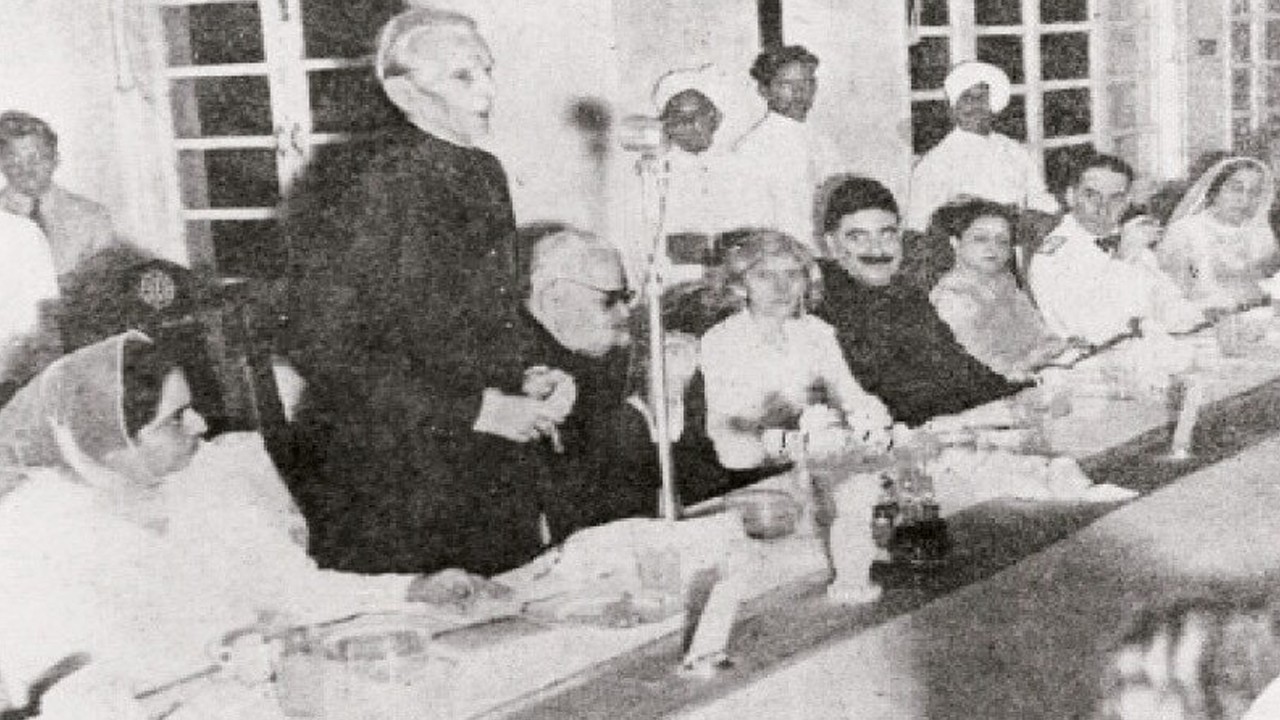
Muhammad Ali Jinnah’s role in Pakistan’s history did not end with independence in 1947. From leading a democratic struggle to managing a fragile new state, his political choices shaped Pakistan’s foundations and continue to influence debates on governance, unity, and federalism.
Democratic path to Pakistan
Jinnah led a constitutional and non-violent movement rooted in democratic principles. Despite the Muslim League’s defeat in the 1936–37 elections, his leadership revived the party, leading to the Pakistan Resolution in 1940 and a sweeping victory in the 1945–46 elections.
Partition through electoral mandate
The creation of Pakistan was based on democratic processes and demographic realities. Punjab and Bengal were divided through voting in their provincial assemblies, reflecting political mandates rather than unilateral decisions.
A state born in crisis
Pakistan emerged amid financial weakness, administrative collapse, refugee influx, territorial disputes, and communal violence. Despite suffering from a fatal illness, Jinnah had to take swift decisions to prevent the newly created state from falling apart.
Strong centre for survival
After independence, Jinnah prioritised a strong federal centre over immediate provincial autonomy. He believed decentralisation at an early stage could weaken Pakistan while its institutions were still fragile and evolving.
Unity, language, and integration
Jinnah declared Urdu the national language, made Karachi a federal territory, and ensured Kalat’s accession to Pakistan. These decisions were aimed at national integration and preventing fragmentation in a vulnerable new state.






Comments
0 comment