




Hospitals lack waste disposal units
Web desk
|
1 May 2026
Public hospitals across Karachi and interior Sindh largely lack proper incinerator facilities for safe medical waste disposal. As a result, hazardous waste is often handed over to private contractors with minimal oversight.
Among major hospitals, Jinnah Postgraduate Medical Centre has two incinerators but only one is operational, while Civil Hospital Karachi has two functioning units. National Institute of Child Health has an incinerator, but it has been out of service for months due to gas shortages.
National Institute of Cardiovascular Diseases lacks an incinerator entirely and depends on municipal waste collection. Lyari General Hospital has one working unit. However, most district hospitals have no such facilities and rely fully on private companies.
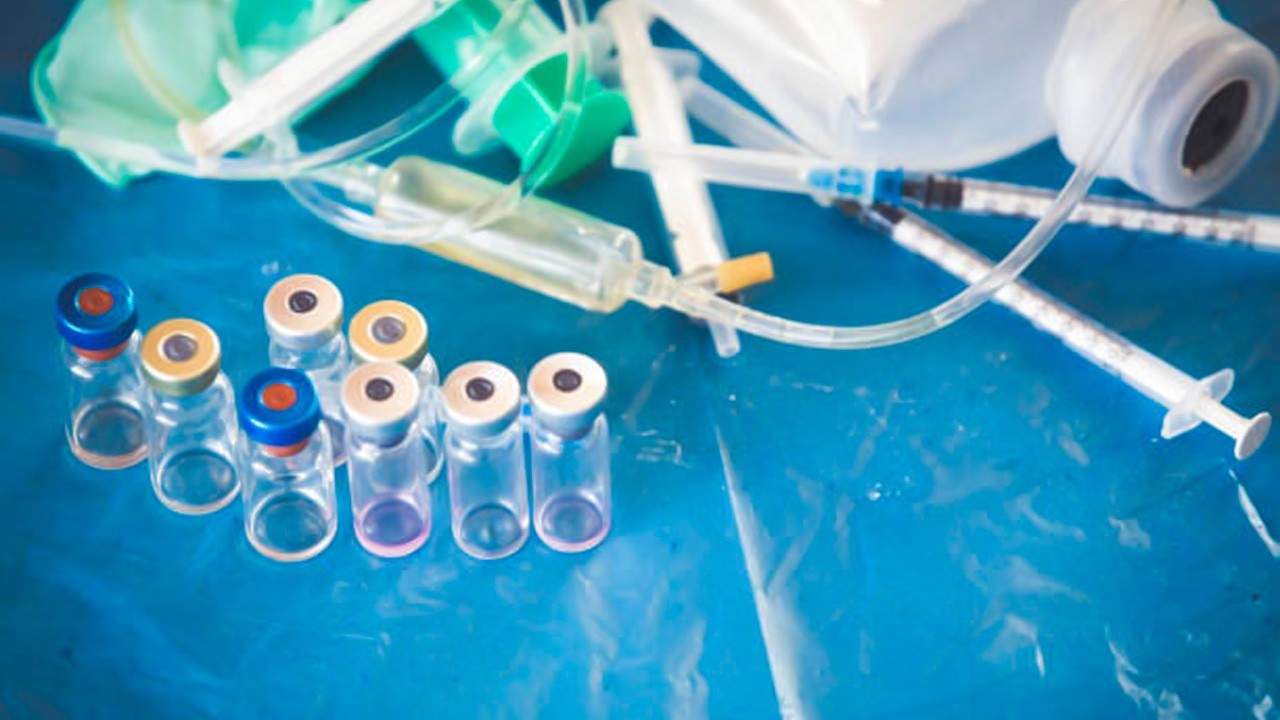
Several hospitals without incinerators include Sindh Government New Karachi Hospital, Liaquatabad Hospital, Saudabad Hospital, Korangi Hospital, Ibrahim Hyderi Hospital, Qatar Hospital, and others. Experts warn that improper disposal of infectious materials, such as syringes, blood bags, and bandages,poses serious health risks. Safe methods like incineration, autoclaving, and microwaving typically burn waste at around 1000°C to render it harmless.
According to the World Health Organization, about 10% of hospital waste is hazardous, but poor handling can contaminate all waste. With around 6,500 occupied beds in Karachi’s public hospitals, an estimated 16,000+ kilograms of medical waste is generated daily, while district hospitals alone produce about 1,600 kilograms despite lacking proper disposal systems.








Comments
0 comment