




Petroleum deregulation is not enough for energy security
Web desk
|
3 Aug 2026
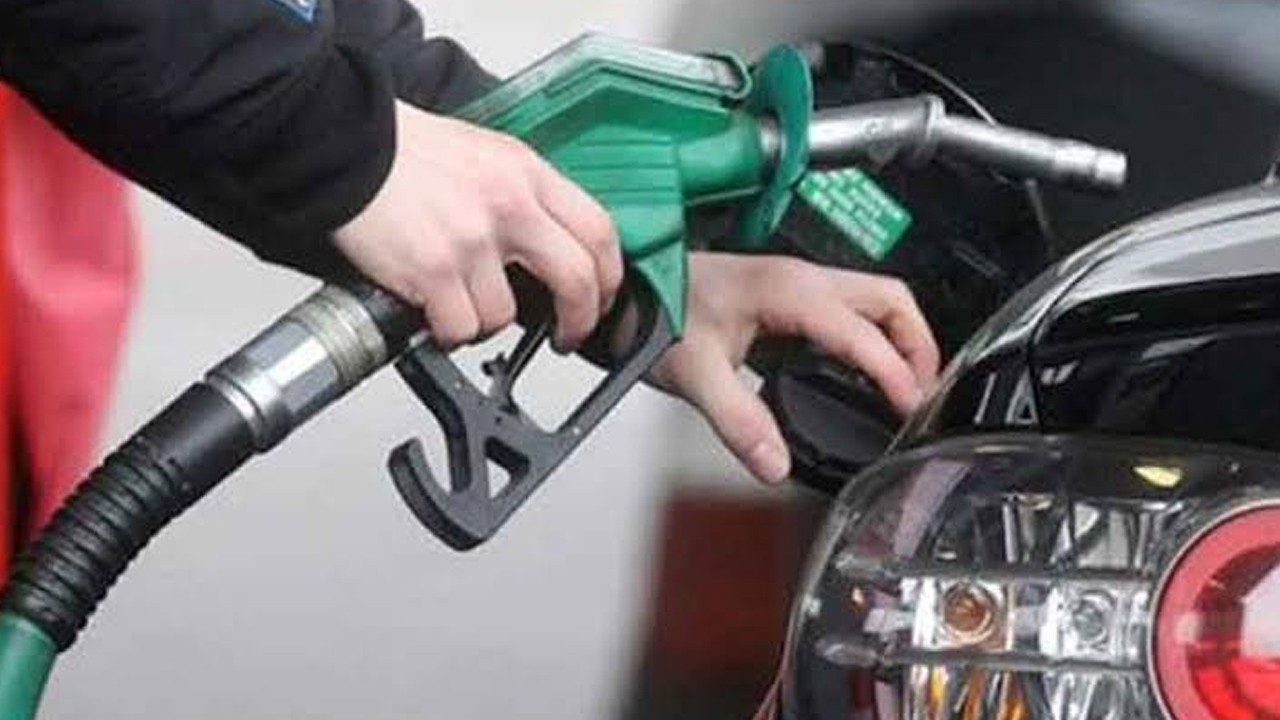
KARACHI: In Pakistan, petroleum prices are not just an economic measure but an important element that influences the price level, competition among the industries, budgetary collection, and cost of living.
Recently, there has been an increasing trend in Pakistan to deregulate the petroleum sector while facing unprecedented volatility in the international petroleum market as a result of geopolitical conflicts, supply disruptions, and shifts in energy policy.
This combination has provided some opportunities and threats. While deregulation has helped to create more efficient markets and increased investments, it also exposed consumers and businesses to variations in international prices of crude oil.
The issue for Pakistan is the need to find the right equilibrium between liberalization of the market and energy security in the future. Despite that the level of dependency on oil is quite high in Pakistan and according to the Pakistan Economic Survey 2024-25, the group of petroleum products is one of the largest import groups in the country's import basket, which makes the country's economy very sensitive to any changes in international prices of crude oil.
In addition, local refineries provide only a part of national needs, while the other part is covered by importing crude oil and petroleum products. Every increase in international prices results in an increase in the amount of imports, foreign exchange reserves depletion, and inflation.
That was proved by global market of oil volatility from 2020 to 2022 when during the period of the global coronavirus pandemic, international price of Brent crude fell to $20 per barrel due to decreased demand across the world. However, after the recovery and Russia-Ukraine conflict, the international price of Brent reached $120 per barrel in 2022. Thus, there was a direct influence of this price increase on domestic prices of fuel in Pakistan.
In Pakistan, there had been a lot of control of the government in fixing petroleum prices through subsidies and administrative controls.
This may have saved consumers temporarily but at the expense of higher fiscal costs for the government. Whenever there was an increase in the prices of petroleum in international markets, the government delayed in passing the cost of increase of prices to the consumers which created problems for oil marketing firms, refineries, and national budget.
However, the turning point came with the support of the International Monetary Fund (IMF) through reforming the petroleum pricing policies in the country. There have been reforms in moving towards market-based pricing of petroleum in addition to reductions in fuel subsidy and increases in taxes. All these measures were aimed at disciplining the fiscal policy, eliminating distortions, and making domestic fuel prices consistent with international market conditions.
Currently, the ex-refinery price is determined by OGRA based on international prices of oil, movement of exchange rate, freight charges, and taxation of the petroleum. Subsequently, the government announces revised prices of petroleum including the petroleum levy and other charges. Despite all these improvements in pricing policies, Pakistani consumers now feel the effects of international oil prices directly.






Comments
0 comment