




Indian govt, student protest leaders fail to break deadlock in talks
Web Desk
|
24 Jul 2026
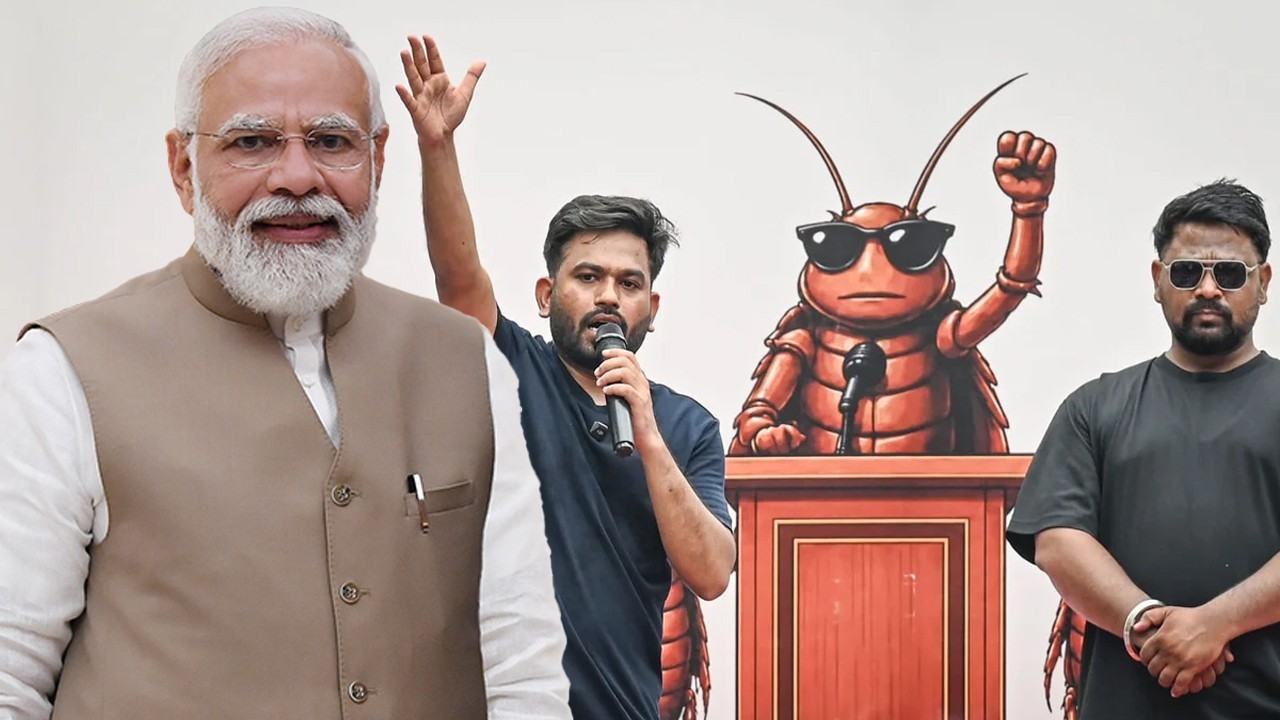
New Delhi: Talks between the Indian government and leaders of the youth-led "Cockroach" movement ended without a breakthrough on Friday, as thousands of protesters continued demonstrations in the capital, demanding sweeping reforms to the country's education system and greater accountability from the government.
The two-hour meeting, held in New Delhi, brought together senior Union ministers JP Nadda and Jitendra Singh with representatives of the social media-driven Cockroach Janta Party (CJP), which has emerged as the political face of the nationwide protests.
However, both sides failed to resolve key differences and agreed to resume negotiations on Saturday.
Following the meeting, CJP spokesperson Ashutosh Ranka said the movement would not compromise on its principal demand—the resignation or dismissal of Union Education Minister Dharmendra Pradhan.
"We made it absolutely clear that nothing short of Dharmendra Pradhan's resignation or his removal from the Union Cabinet will be acceptable," Ranka told reporters.
Government representatives described the talks as constructive but stopped short of committing to the protesters' demands.
Nadda said the government had listened to the delegation's concerns and would present its response during the next round of discussions.
The protests have entered another tense phase at Jantar Mantar in New Delhi, where demonstrators have gathered throughout the week. Earlier clashes erupted after police used tear gas and baton charges to stop protesters attempting to march toward Parliament, leading to injuries and further fueling public anger.
The movement was initially triggered by a series of alleged irregularities in India's education system, including the leak of a national medical entrance examination paper that forced millions of candidates to retake the test, as well as failures in an online examination marking system affecting high school students.
Since then, the demonstrations have broadened into a wider campaign highlighting concerns over youth unemployment, limited educational and employment opportunities, and what critics describe as the increasingly centralized and authoritarian style of governance under Prime Minister Narendra Modi.
Political observers view the protests as one of the most significant public challenges to the Modi government's third term since its re-election in 2024.
With negotiations set to continue, attention will focus on whether the government can address the protesters' demands or whether the movement will gain further momentum in the coming days.
Comments
0 comment