




Imran’s procedure completed ‘smoothly’, vitals remained ‘stable’: Pims executive director
Web desk
|
31 Jan 2026
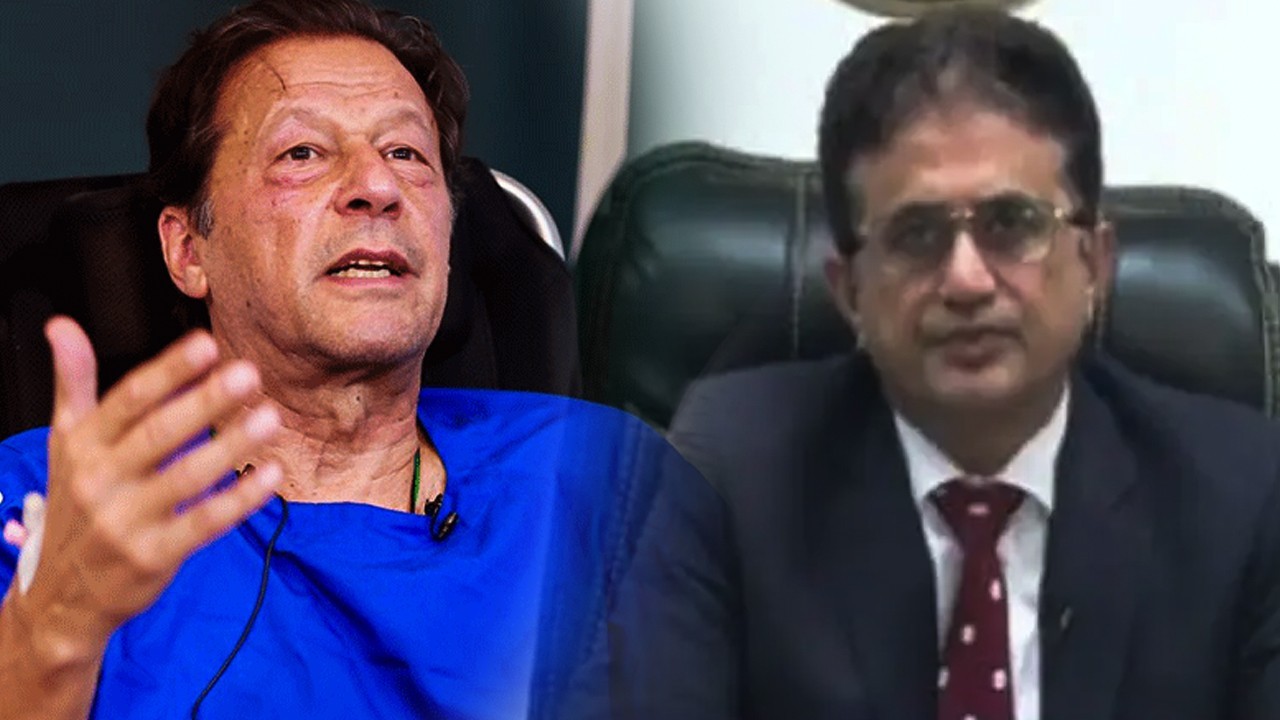
The executive director of the Pakistan Institute of Medical Sciences (Pims), Professor Dr Rana Imran Sikander, disclosed early on Saturday that the eye procedure of detained former premier Imran Khan was conducted “smoothly” and that he was “stable” throughout the procedure.
This announcement by the head of the hospital comes after the PTI requested the help of the Supreme Court on Friday to facilitate a meeting between the founder of the party and his personal physicians, through the Chief Justice of Pakistan (CJP).
Information Minister Attaullah Tarar had confirmed earlier that Imran had undergone a “20-minute” medical procedure for an eye problem on the night of January 24 at Pims in Islamabad.
“It (the procedure) was completed smoothly in approximately 20 minutes. During the treatment, the patient remained vitally stable and was discharged with routine post-procedure care instructions and follow-up advice and documents,” Sikander explained.
The 74-year-old former premier complained of “reduced vision in his right eye”, the doctor said, and that a “qualified ophthalmologist” from the hospital had performed a “complete eye assessment at Adiala jail”.
Sikander further clarified that the doctor who was sent to the prison carried out “strict lab examination, [ocular] endoscopy, intraocular pressure measurement, essential laboratory tests and OCT of the retina”.
He further said that after the initial assessment, the doctor diagnosed the condition as right central vein occlusion and a hospital-based treatment was advised.
“Accordingly, Mr Niazi was brought to Pims on the night of last Saturday, Sunday for the advised procedure.”
The hospital chief said that Imran was explained in detail about the procedure after he was brought to Pims.
“Informed consent was obtained from the patient prior to the procedure. The procedure was carried out in the operation theatre under standard sterile protocol and monitoring,” Dr Sikander said.









Comments
0 comment